
Class, Labor, and Survival
Journey to the End of the NightThis flow traces how Bardamu’s encounters with workers and poor patients reveal the economic pressures that shape nearly every apparent choice.
increasing Bearing strength in each event
 decreasing
Bearing strength in each eventdecreasingThe Galley Metaphor
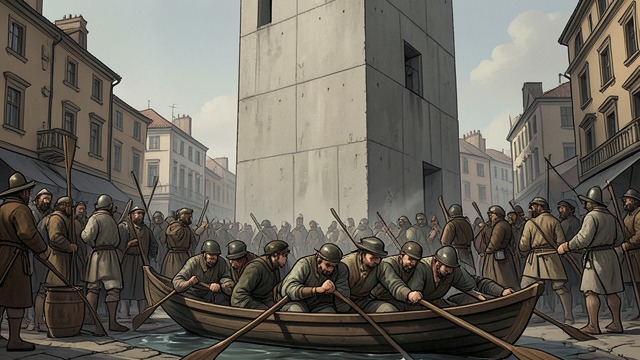
The Galley Metaphor
Work below deck
Bardamu describes ordinary people as laborers rowing while their masters enjoy privilege above them. The image turns class inequality into a system of enforced sacrifice.
War completes the metaphor
His enlistment makes the imagined galley literal in spirit: workers are ordered to die for causes chosen by others. The argument anticipates the social world he will encounter abroad.
The Poor as Recruits
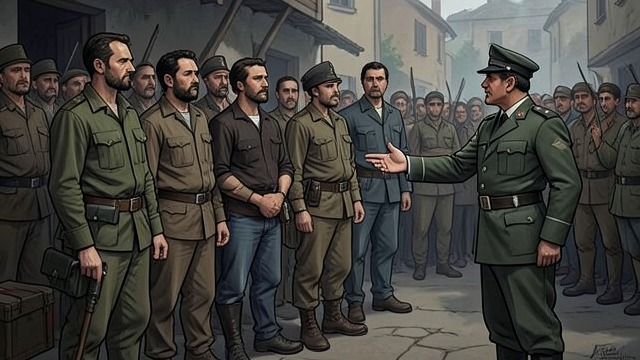
The Poor as Recruits
Unequal exposure
Bardamu recognizes that men without connections are sent back to the front first. Their bodies are treated as expendable resources.
A system of sacrifice
Patriotic appeals conceal the uneven distribution of danger. The poor receive medals and rhetoric in place of security or meaningful choice.
The Factory Line
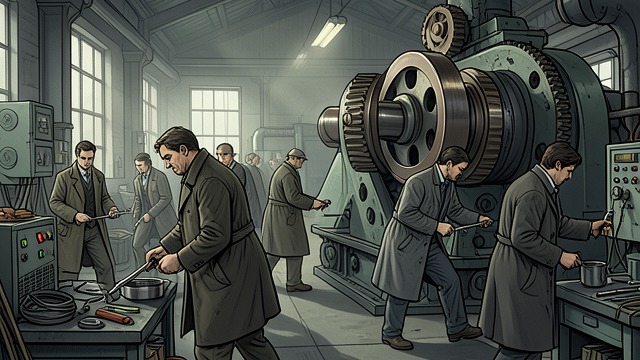
The Factory Line
Labor without thought
At the Ford factory, Bardamu is told that intelligence is useless and that workers must perform prescribed movements. The machinery turns human attention into repetitive labor.
A failed adaptation
He becomes numb but cannot remain. The factory offers wages at the cost of agency, repeating the war’s demand that the worker surrender his judgment.
Medicine Without Fees

Medicine Without Fees
Compassion under pressure
Bardamu treats poor residents who often cannot pay him. His reluctance to demand fees harms his ability to survive as a doctor.
No innocent position
Charging the poor makes him feel like a thief, while refusing payment leaves him unable to meet rent. The profession offers no clean answer to class dependence.
A Pension as Hope
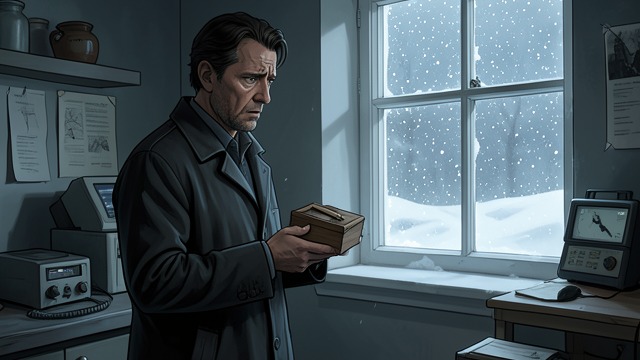
A Pension as Hope
Illness as income
Poor patients hope their tuberculosis will qualify them for a small government pension. Recovery may mean losing the only prospect of lasting security.
Poverty reshapes desire
Their priorities unsettle Bardamu’s expectations of medical care. In a life governed by deprivation, a pension can matter more than health or comfort.
At the opening café conversation
During wartime Paris
During Bardamu’s brief employment in Detroit
During Bardamu’s early practice in Rancy
During Bardamu’s work at the tuberculosis dispensary
